reating a coastal-inspired interior in Atlantic Canada comes down to choosing materials that can handle salt air, selecting a calm and refined color palette, and using available provincial incentives to offset the cost of high-performance windows and insulation. When these elements come together, the result is a home that feels serene, resilient, and intentionally designed for the East Coast climate.
For many homeowners, this style is not about nautical decor or themed accessories. It is about building a space that looks polished year-round while standing up to harsh storms, humidity, and strong coastal winds, according to official guidance on residential performance in coastal climates from Natural Resources Canada. By using available provincial rebates for the practical upgrades, you can invest more confidently in the high-end finishes that define this look.
What Coastal-Inspired Design Means in Atlantic Canada
Coastal-inspired interiors on the East Coast differ from tropical or West Coast versions of the style. Instead of bright teals or beach-house wicker, the Atlantic approach blends durability with a calm, understated aesthetic. It takes its cues from local landscapes: weathered granite, cool-grey water, dune grass, and soft coastal light, all shaped by the coastal climate patterns documented by the World Meteorological Organization.
The focus is on clean architectural lines, natural textures, and finishes that hold up well in humid conditions. Wide-plank engineered oak floors, matte fixtures that resist corrosion, and large triple-pane windows all help create a space that feels both modern and timeless.
Why This Style Works Especially Well Here
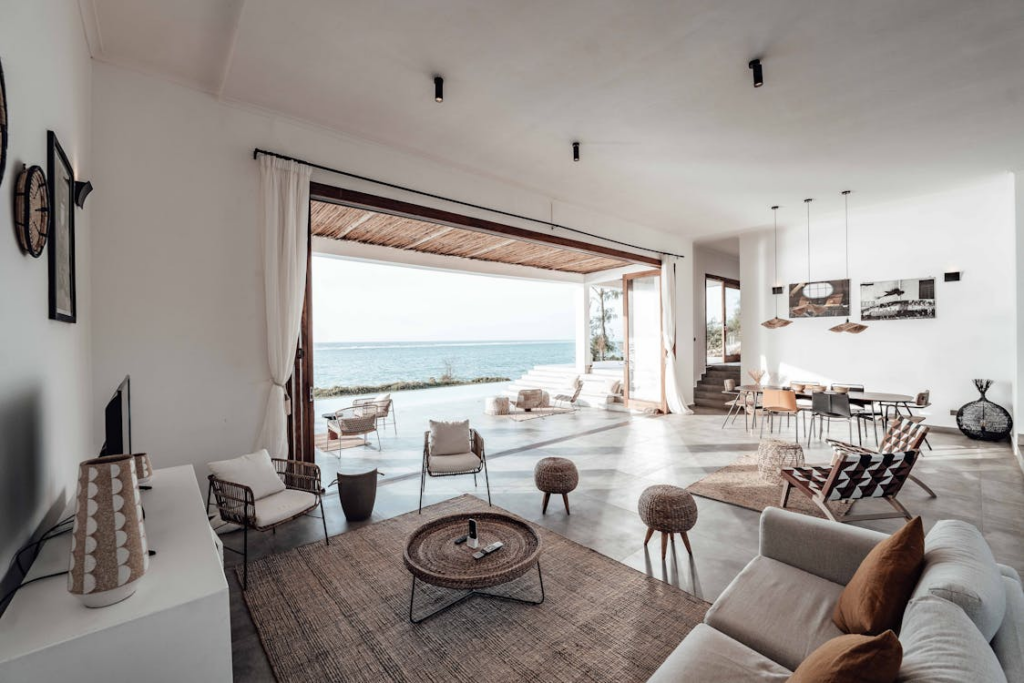
This design approach matters because it aligns with the realities of coastal living, as supported by climate-responsive architectural research from Harvard Graduate School of Design. Many standard finishes simply do not last long in a salt-heavy environment, causing premature wear and costly repairs.
- Financial durability: Choosing corrosion-resistant fixtures, engineered surfaces, and marine-rated materials reduces long-term maintenance.
- Emotional comfort: Soft colors and the 2025 shift toward “quiet luxury” create a warm, calm atmosphere that balances the long, stormy season.
- Smart budgeting: Upgrading your home’s envelope often unlocks generous provincial rebates, which helps stretch your renovation budget toward the finishes you actually want.
How Atlantic Coastal Design Compares to Generic Styles
Here is how a purpose-built coastal design performs next to a typical modern farmhouse approach.
| Parameter | Generic “Modern Farmhouse” | Atlantic Coastal Luxury (Recommended) |
| Durability | Low: Matte black finishes often rust; wood siding rots in salt air. | High: Uses PVD finishes (corrosion-proof) and composite/engineered materials. |
| Energy Efficiency | Medium: Standard double-pane windows. | Maximum: Triple-pane, argon-filled architectural windows (Rebate Eligible). |
| Aesthetic | Trendy, but often feels out of place by the ocean. | Timeless; mimics the natural landscape (granite, sand, driftwood tones). |
| Resale Value | Standard market appreciation. | Premium: Buyers pay more for “storm-ready” luxury. |
Choosing Materials That Stand Up to the Coast
The right materials are the backbone of a successful Atlantic coastal interior.
- Flooring: Solid hardwood can warp near the water. Engineered white oak or high-end luxury vinyl plank in driftwood tones delivers the look of premium wood while remaining stable in humidity.
- Windows: This is the best investment in both comfort and rebate eligibility. Skip standard vinyl sliders and choose black-framed, triple-pane architectural windows. They complement the coastal aesthetic and often qualify for top-tier provincial incentives.
- Paint: A calm palette creates the best foundation. Crisp whites, muted sand tones, and deep accent colors reflect the region’s natural scenery. Moisture-resistant formulas are ideal in bathrooms, mudrooms, and entries.
Common Mistakes to Avoid
- Overdoing the theme: Literal nautical decor makes a home feel dated quickly. Subtle references and natural textures achieve a much more polished result.
- Ignoring the envelope: High-end interiors lose their impact if the home is uncomfortable in winter. Upgrading windows and insulation first results in better energy savings and allows you to take full advantage of available rebates.
- Assuming outdated financing is still active: Some national loan programs are no longer available. Instead, focus on existing provincial incentives or energy-efficiency programs that remain open.
Balancing Tradition and Modern Comfort
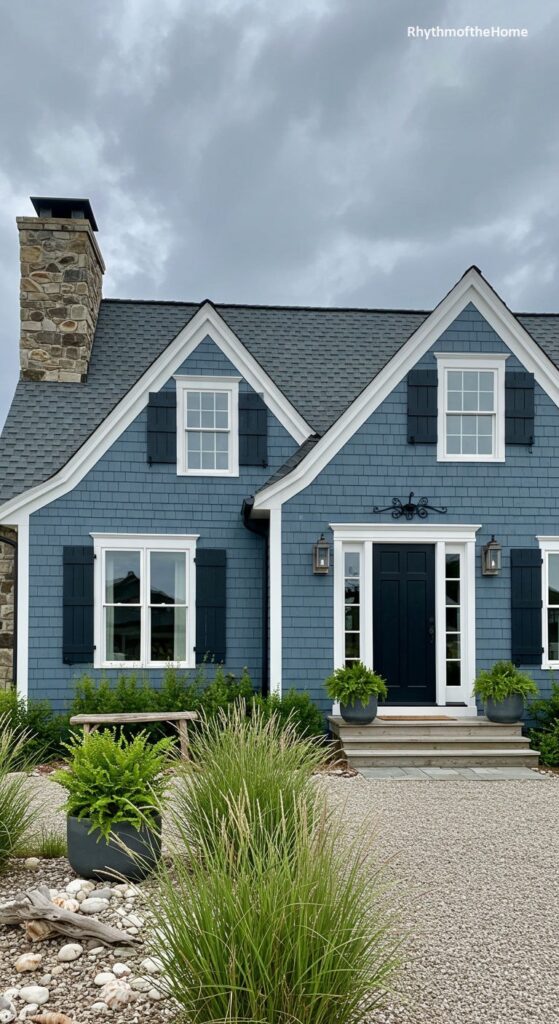
On the East Coast, many homeowners debate whether to maintain traditional maritime aesthetics or embrace modern, climate-ready materials. A practical middle ground is often the best solution: keeping the classic exterior profile while updating the interior with efficient insulation, contemporary finishes, and larger windows. This approach retains local charm while delivering year-round comfort and better long-term value.
FAQ
1. How do I design a coastal interior that looks high-end without becoming overly “beach themed”?
Homeowners often worry about crossing the line into novelty decor, a point echoed in homeowner discussions on Reddit’s interior design community. The key is choosing durable, marine-rated materials, subtle natural textures, and a calm color palette inspired by Atlantic landscapes rather than nautical symbols.
2. What upgrades should I invest in first to make this style work in a harsh coastal climate?
Start with durability. Look for finishes that resist corrosion, windows built for Atlantic conditions, and insulation upgrades that qualify for provincial rebates. These elements protect both your comfort and your long-term renovation budget.
3. How do I choose the right windows for Atlantic coastal homes without overspending?
Prioritize models that meet local Energy Star requirements and include Low-E coatings. Triple-pane options often qualify for significant rebates, helping you balance performance, aesthetics, and cost.
4. Is a coastal-inspired interior actually worth the investment in Atlantic Canada?
Yes, especially in regions with salt air and long storm seasons. The style delivers long-lasting materials, year-round comfort, and strong resale appeal. The main consideration is the higher upfront cost of marine-grade finishes, but rebates can offset much of this.
Conclusion
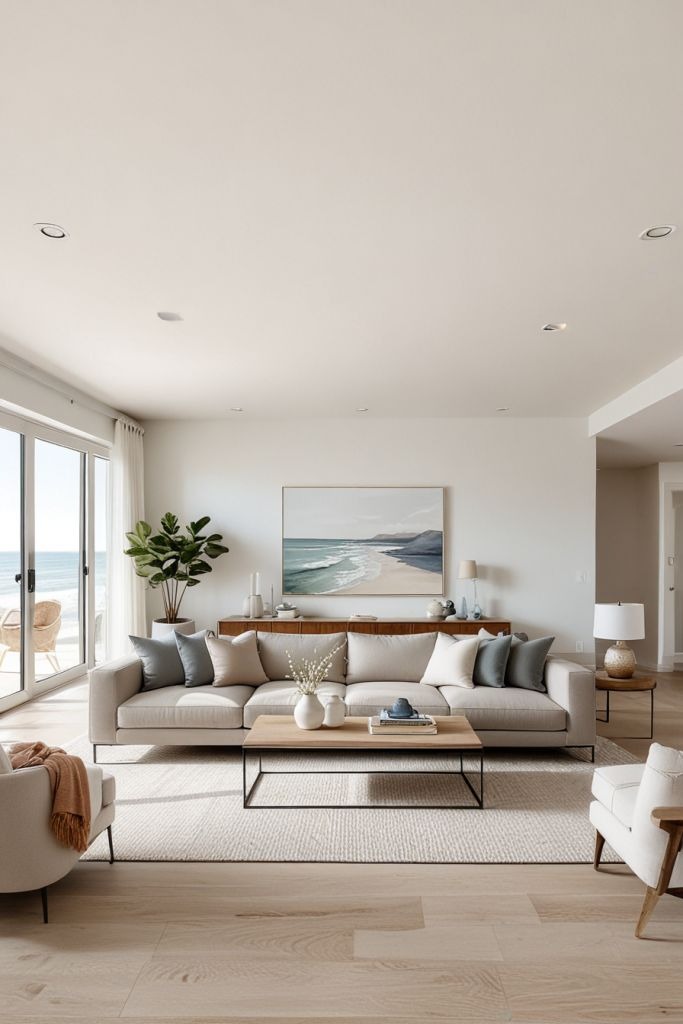
A coastal-inspired interior in Atlantic Canada blends natural textures, soft tones, and durable materials to create a comfortable, long-lasting home. By pairing thoughtful design choices with available provincial rebates, you can elevate your space while keeping overall costs manageable. This style not only enhances daily living but also builds long-term value in a region where resilience and beauty go hand in hand.