You can update a Canadian heritage home while staying within conservation rules by using reversible changes for protected features, taking advantage of municipal heritage grants to cover exterior repairs, and installing low-impact modern systems like high-velocity mini-duct HVAC that hide inside existing walls. This approach lets you modernize comfort and function without damaging the character that gives these homes their value, following the federal conservation standards outlined by Parks Canada.
For most owners, the goal is not to freeze a home in time. It is to preserve the elements that define its personality while bringing everything else up to modern standards. Understanding what is protected and what is not is the key to renovating legally and efficiently.
Understanding How Heritage Interior Updates Work in Canada
Heritage interior updates depend on whether your home is listed or officially designated under your province’s heritage legislation. This distinction affects how much freedom you have inside the house and what requires a permit.
Listed properties are recognized for their heritage value, but in many cities, the interior is not protected. Kitchens, bathrooms, and basements are often fully fair game.
Designated properties are protected by a bylaw, consistent with international heritage-protection principles outlined by UNESCO. While most designations focus on the exterior, some also identify specific interior features like staircases, fireplaces, or original plaster work. Those features require preservation or approved restoration.
A simple rule helps: if a feature is not named in the designation bylaw, you usually have flexibility. Still, checking the official documents before starting work is essential.
Why Following Conservation Rules Is Worth It
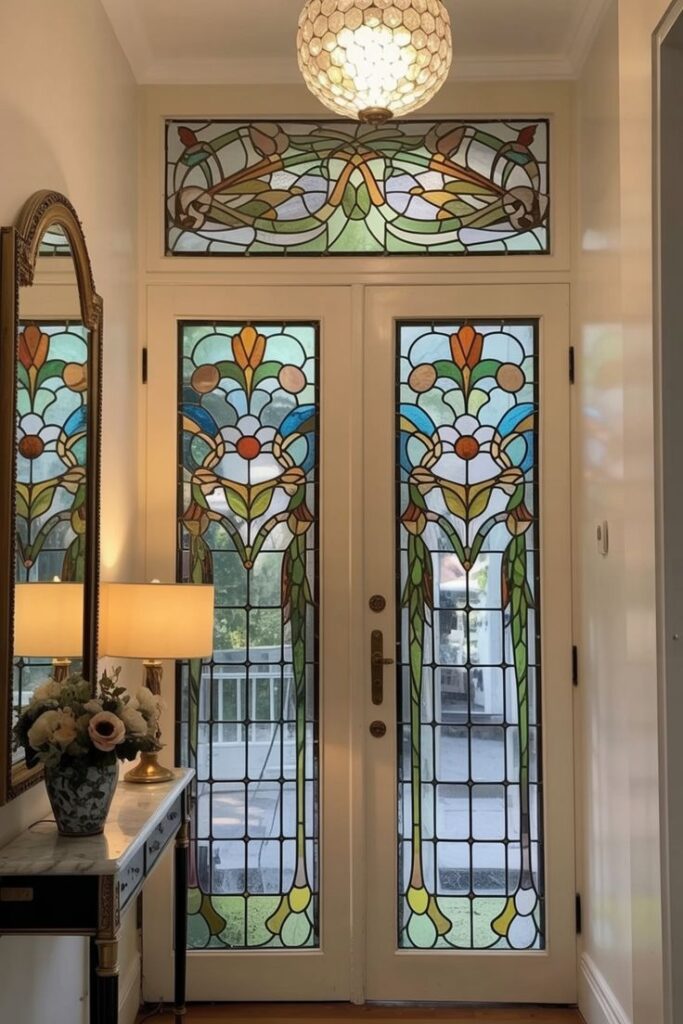
Respecting conservation rules is not just about compliance. It can directly improve your property value and open the door to major financial support.
- Value protection: Original features like stained glass, medallions, or decorative trim are major selling points in heritage neighbourhoods, a trend supported by economic research from the National Trust for Historic Preservation. Removing them often reduces value rather than increasing it.
- Grant eligibility: Cities across Canada offer grants that fund repairs to character-defining elements. By using grant money on necessary exterior work, such as masonry or roofing, you can free up personal funds for interior upgrades.
- Avoiding legal issues: Unapproved changes to protected elements can trigger work stoppages and expensive penalties. Doing things correctly is cheaper in the long run.
How Heritage-Friendly Updates Compare to Standard Renovations
Standard renovations often force modern solutions onto old structures. Heritage-friendly updates work with the existing bones instead of fighting them.
| Parameter | Standard Renovation | Heritage “Stealth” Update (Recommended) |
| Windows | Vinyl inserts (Loss of character, technically illegal on designated facades). | JELD-WEN Siteline / Loewen Heritage: Wood-clad, triple-pane, historical profile. (Grant Eligible). |
| HVAC | Bulkheads that lower ceilings and ruin crown molding. | SpacePak / Unico System: High-velocity mini-ducts threaded through walls like plumbing. invisible. |
| Insulation | Batts that require tearing down lath & plaster. | Injected Foam / Spray Foam: Applied from the exterior or via small holes to save the plaster walls. |
| ROI | Standard. | Premium: You get the “Modern Comfort” price bump + “Historic Charm” price bump. |
Choosing Materials That Blend History With Modern Performance
The best updates respect the home’s age while bringing its performance into the current decade.
- Windows: In many heritage neighbourhoods, vinyl windows are not an option at the front of the house. Wood or wood-clad units with historical profiles keep the look consistent while offering modern insulation and energy savings.
- Flooring: If the original floors cannot be saved, choose engineered white oak in patterns like chevron or herringbone. These patterns echo early-20th-century parquet but provide better stability and compatibility with radiant heating.
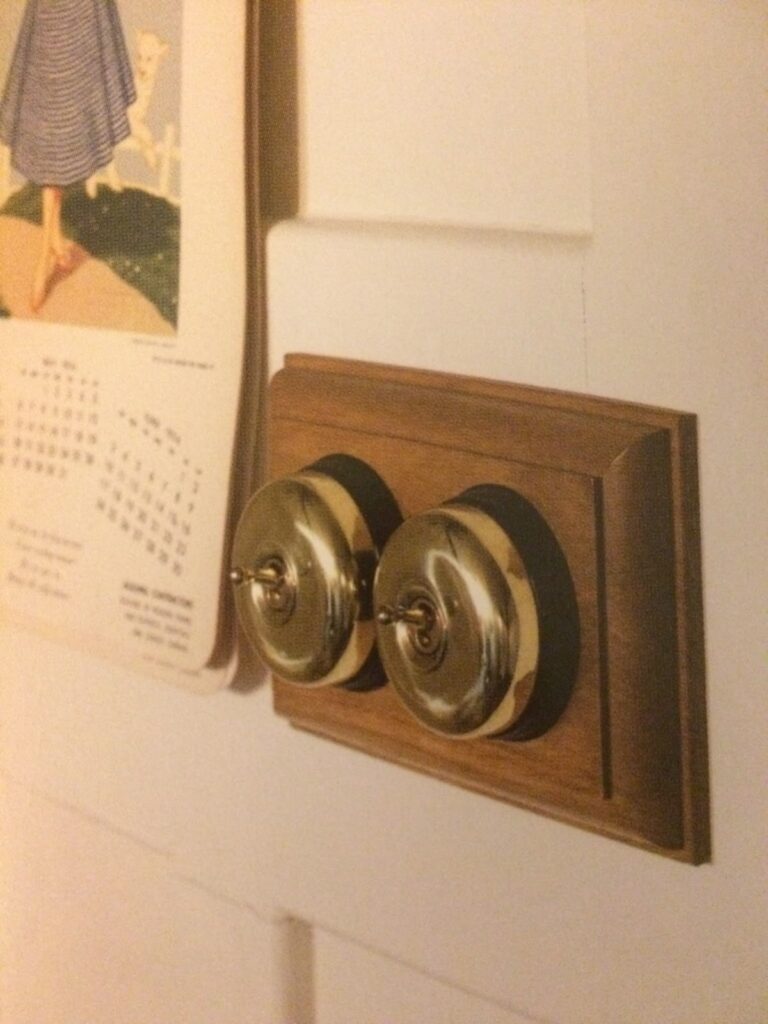
- Lighting and switches: Updated wiring is essential, but the fixtures and switches can still reflect the home’s era. Simple tactile details, like period-appropriate push-button wall switches, help keep the historical feel intact.
Mistakes to Avoid During Heritage Interior Renovations
- Removing structural walls for an open concept: Older homes rely on many interior walls for support. Removing too many can lead to long-term structural problems. A better option is widening openings and keeping a semi-defined layout.
- Assuming the interior is unprotected: Some designated homes include protected interior features. Always read the designation report or request it from the city.
- Using the wrong insurance: Heritage homes often require specialized insurance due to their higher restoration costs. Working with an insurer familiar with heritage properties prevents coverage gaps.
The Ongoing Debate: Preserve or Rebuild?
Across Canada, there is debate about whether homeowners should keep original interiors or take a more aggressive approach by preserving only the facade. While this facadism strategy works for large developers, it is rarely the best choice for homeowners.
Keeping original elements like staircases, doors, and woodwork typically costs less than replacing them with modern replicas. At the same time, you can invest more heavily in comfort upgrades such as heated floors, modern kitchens, or improved mechanical systems. This blended approach creates a home that feels both historic and highly livable.
FAQ
1. How do I know which parts of my heritage home I can update without breaking conservation rules?
Understanding what is protected under your designation bylaw helps you avoid delays, fines, and unexpected restrictions. Most interiors are flexible unless specific elements are named, so checking the official documents is the first step. Homeowners renovating older properties discuss similar challenges in real cases like this heritage-building thread on Reddit.
2. What should I look for when choosing a contractor who understands heritage requirements?
Experience with original materials matters. Contractors who have worked with lath and plaster, historic windows, structural timber, and minimally invasive HVAC systems will deliver cleaner work and reduce the risk of damaging protected features.
3. Is official heritage designation worth it for homeowners, or does it create more complications?
Designation brings access to grants, tax incentives, and long-term value protection. The tradeoff is added oversight and the need for approval on certain changes, but for many owners, the financial and aesthetic benefits outweigh the limitations.
4. How can I modernize comfort systems like heating and cooling without altering the home’s historic character?
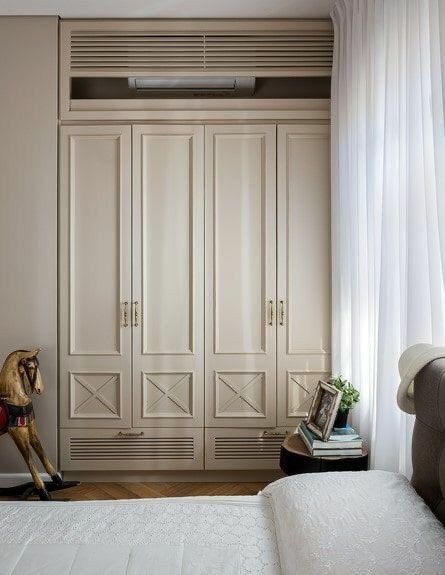
High-velocity mini-duct HVAC, discreet electrical upgrades, and wood-clad high-performance windows allow you to add comfort and efficiency while keeping visual changes to a minimum. These systems fit into heritage structures with far less disruption than standard renovations.
Conclusion
Completing heritage interior updates in Canada while respecting conservation rules is a balancing act, but it gives you the best of both worlds: modern comfort inside a house full of story and character. By preserving what matters, using grants strategically, and choosing upgrades that blend into the existing structure, you can create a home that feels luxurious without losing its history.