You can successfully design a multigenerational home in Canada by prioritizing acoustic separation, using Universal Design elements that feel upscale rather than clinical, and taking advantage of the Multigenerational Home Renovation Tax Credit to offset the cost of creating a secondary suite, as outlined officially by the CRA. When done well, these interior updates create independence for each generation while raising the overall value of your home.
For many Canadian families, multi-gen living is becoming a practical and cultural choice. The challenge is ensuring everyone has enough privacy and autonomy to feel comfortable under one roof. The right layout turns a crowded house into a home that works for three generations with ease.
What Multigenerational Interior Design Means in a Canadian Home
A multigenerational design approach focuses on finishes, room layouts, and systems that support grandparents, parents, and children all living together without sacrificing comfort or style. It is not just adding a spare bedroom. It is creating independent zones that function like small, connected suites.
In this design style, accessibility is built in but not obvious. Wider doorways, lever handles, curbless showers, and induction cooktops all improve safety, yet still look modern and high-end. The goal is to make a single-family home operate more like a quiet duplex, while still feeling cohesive.
Why This Approach Makes Sense Today
This design style has become especially important as affordability challenges and shifting family structures push more Canadians toward shared living arrangements, a trend reflected in global household-composition research from the United Nations.
- Financial support: The federal MHRTC offers a 15 percent refundable credit on up to $50,000 of eligible renovation costs for creating a secondary suite for a senior or disabled family member. That is a meaningful amount of money returned at tax time.

- Shared costs: Pooling resources makes it easier to buy in desirable neighbourhoods or upgrade into larger homes.
- Resale value: Homes with a well-designed in-law suite or main-floor secondary unit appeal to a wider market, increasing both demand and appraisal value, a finding supported by multigenerational housing research from AARP.
How a Dedicated Multi-Gen Suite Compares to a Standard Guest Room
Upgrading a spare room is inexpensive, but a full multi-gen suite delivers stronger returns and long-term flexibility.
| Parameter | Standard Guest Room Update | Integrated Multi-Gen Suite (Recommended) | Garden Suite / ADU |
| Privacy | Low: Shared kitchen and living areas. | High: Separate kitchenette, bathroom, and potential entrance. | Maximum: Physically detached from the main house. |
| Cost | Low ($10k – $20k). | Medium ($50k – $100k): High ROI. | High ($200k+): Complex permits. |
| Tax Credits | Minimal (Standard credits only). | High: Eligible for MHRTC ($7,500) and potentially HST Rebates. | Eligible, but higher upfront capital. |
| Value Add | Minimal appraisal boost. | Significant: Adds “income potential” value. | Significant, but eats up yard space. |
Choosing a Layout That Keeps Everyone Comfortable
The best layouts combine privacy with smart circulation patterns.
- Sound control: Acoustic insulation in floors and shared walls is essential. It is the most overlooked detail, yet the biggest factor in long-term family harmony.
- Main-floor bedroom for seniors: Mobility needs often increase over time. A main-floor suite prevents future accessibility renovations or equipment needs.
- Separate temperature zones: Different generations prefer different temperatures. Multi-zone heat pump systems allow individualized climate control and may qualify for energy-efficiency incentives.
Common Mistakes to Avoid
- Clinical aesthetics: Safety features do not need to look medical. Reinforced towel bars, attractive grab rails, and matte black fixtures provide support while blending into the design.
- Underpowered utilities: Three generations can overwhelm an older electrical panel or small hot water tank. Upgrading these systems ensures the home performs well under increased load.
- Ignoring local zoning: Each province and city has rules governing secondary suites. Ensuring separations, fire ratings, and legal compliance is essential for insurance and resale value.
The Balance Between Connection and Independence
One of the biggest discussions in multi-gen design is how connected the living spaces should be. The traditional approach was full integration, with one large kitchen and shared routines. Today, families often prefer flexible connections.
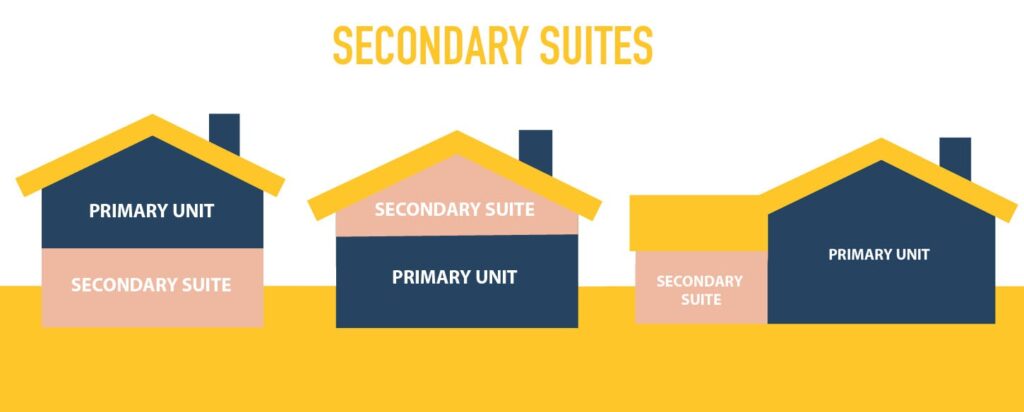
Adding a kitchenette, small living area, or private entrance allows grandparents to maintain independence while staying close to the main household. This reduces friction, preserves dignity, and creates a more balanced rhythm for everyone. It also gives the home additional functions in the future, such as a nanny suite, guest quarters, or rental opportunity.
FAQ
1. How do I design a layout that gives everyone privacy without making the home feel divided?
A successful multi-gen layout balances acoustic separation with smart circulation, a point echoed in real Canadian homeowner discussions about multigenerational living. Independent zones, soundproofing, and small kitchenettes help each generation feel autonomous while keeping the overall home connected and comfortable.
2. What should I upgrade first if I want a multi-gen space that works long term?
Start with structural essentials: acoustic insulation, a main-floor bedroom for seniors, and upgraded electrical or hot water capacity. These choices prevent future stress and ensure the home can handle the daily demands of three generations.
3. How can I make accessibility features look stylish instead of clinical?
Modern Universal Design relies on subtle solutions like matte grab bars, lever handles, curbless showers, and slip-resistant flooring. These elements blend seamlessly into the interior and elevate the design rather than detract from it.
4. Is the MHRTC really worth using for a multi-gen renovation?
Yes. The tax credit can return up to $7,500 on eligible costs and significantly reduces the price of building a secondary suite. When combined with energy-efficiency incentives, it creates one of the strongest ROI pathways for Canadian families upgrading their homes.
Conclusion
Implementing multigenerational home interior design ideas in Canada is one of the most practical and financially smart renovation strategies available today. By stacking tax credits with energy-efficiency incentives and creating independent zones that support every generation, you build a home that is comfortable now and adaptable for decades to come.