You can master the design of legal secondary suites in Ontario and British Columbia by focusing on strong acoustic separation, using multi-functional cabinetry to stretch every square foot, and choosing durable finishes that meet code while still feeling high-end. These upgrades help transform a basement, laneway unit, or garden suite into a desirable, income-generating space that appeals to long-term tenants, supported by federal research from CMHC on secondary suites.
In markets like Toronto and Vancouver, a legal suite is far more than a mortgage helper. With updated provincial density rules, you can turn small, underused areas into premium rental units that boost your property value and provide steady revenue.
What Legal Secondary Suite Design Looks Like Today
Designing a secondary suite today is not about bare-minimum compliance. It is about elevating a small, self-contained home so it feels bright, modern, and comfortable while still passing inspections and meeting every provincial requirement.
In British Columbia, this includes working within new small-scale housing regulations and navigating programs that offer forgivable loans for proper suite construction. In Ontario, the focus is on using the expanded permissions under recent legislation to create fully separated units with their own entrances, proper fire ratings, and efficient layouts that feel like independent homes.
The modern standard is simple: create a small suite with the design quality of a condo, but the privacy and functionality of a standalone apartment, following Universal Design principles established by NC State University.
Why Good Design Matters in Legal Suites
Thoughtful design affects rental performance, grant eligibility, and resale value in very real ways.
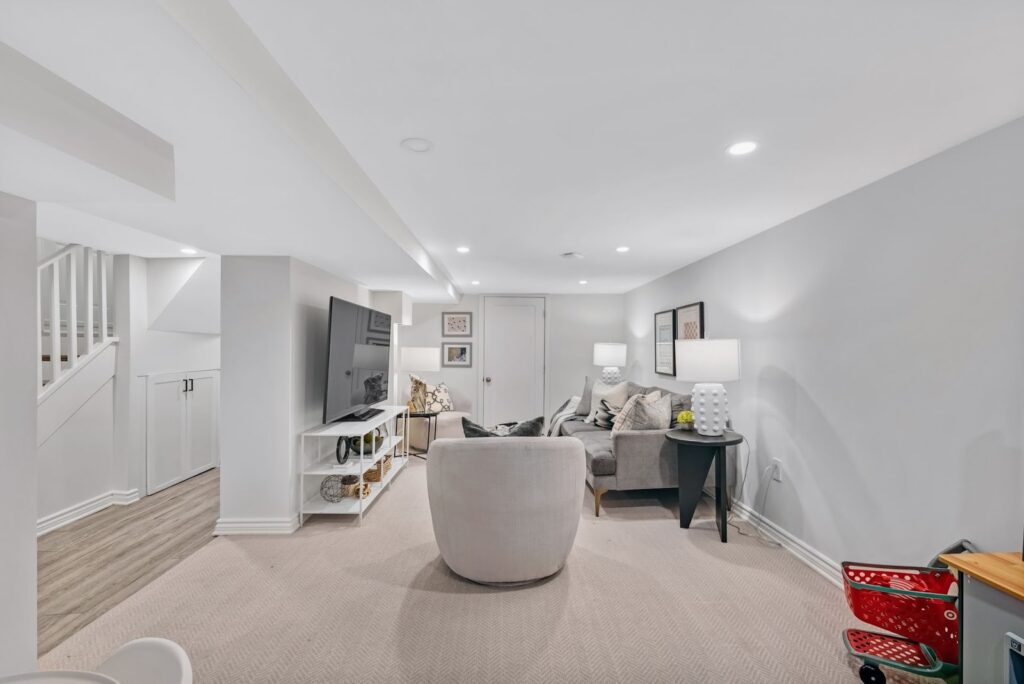
- Attracting the right tenant: High-quality suites command higher rents and lower turnover. Tenants increasingly expect in-unit laundry, good lighting, quiet interiors, and finishes that feel current.
- Unlocking incentives: Many tax credits and funding programs require specific features such as a full kitchen, dedicated bathroom, and separate sleeping space. Meeting these requirements improves your chances of receiving financial support.
- Improving market appeal: A home with a verified legal suite stands out in competitive markets, especially when the unit is move-in ready and finished to a higher standard, consistent with industry research on accessory dwelling units from AARP.
How a Luxury-Level Suite Compares to a Basic Code Suite
Most homeowners do the minimum required to legalize a unit. A more thoughtful approach significantly improves long-term returns.
| Parameter | Basic Code Minimum | Luxury Legal Suite (Recommended) |
| Soundproofing | Standard insulation (Roxul) in joists. | Acoustic Decoupling: Resilient channels + 5/8″ Type X Drywall + Sonopan. (Silence = higher rent). |
| Flooring | Cheap laminate or carpet (mold risk). | Luxury Vinyl Plank (LVP): 100% waterproof, oak-look, durable for pets. |
| Kitchen | “Builder Basic” white cabinets. | Compact Euro-Design: Panel-ready appliances, quartz counters, induction cooktop. |
| ROI | Moderate rent, higher turnover. | Maximum Rent: Low turnover, tax-deductible upgrades. |
Choosing the Right Materials for a Secondary Suite
Correct material choices make the suite durable, attractive, and easier to maintain.
- Flooring: Stone Plastic Composite vinyl is ideal for secondary units. It is stable, waterproof, easy to clean, and looks convincingly like engineered wood.
- Lighting: Good lighting is essential in basements or garden suites. A layout of 3000K LED recessed lights on dimmers instantly brightens the space without reducing ceiling height.
- Windows: When replacing or enlarging egress windows, consider tilt-and-turn styles. They satisfy emergency exit requirements while improving energy performance and giving the suite a more polished look.
Mistakes to Avoid When Designing a Legal Suite
- Shared heating systems: Landlords and tenants rarely agree on temperature settings. Giving the suite its own ductless heat pump avoids conflict and creates a premium feature.
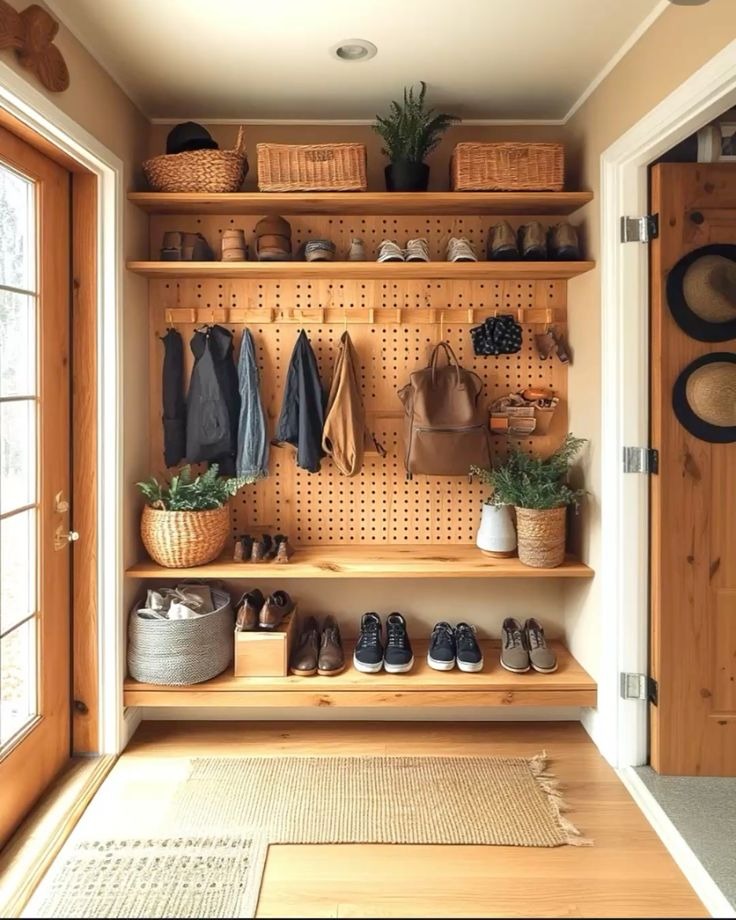
- Ignoring entry practicality: Without a small mudroom zone, wet boots and winter slush quickly cause damage. Tile the entry floor and install hooks or a small closet immediately inside the door.
- Underbuilding the kitchen: A portable cooktop does not qualify as a kitchen. Full vented appliances and adequate storage are essential for both legal compliance and tenant satisfaction.
Long-Term Tenants vs Short-Term Guests
A common question for homeowners is whether they should design for long-term renters or short-term stays. With strict short-term rental restrictions now in place across much of British Columbia and Ontario, the smarter strategy is building for long-term use.
A well-designed long-term suite includes storage, durable finishes, a real kitchen, and layouts that support daily living. These features create stability and reduce turnover, which is one of the biggest threats to rental profitability.
FAQ
1. How do I know if my property is actually eligible for a legal suite before I start designing anything?
The first step is confirming zoning, setbacks, and parking requirements at the municipal level, something many homeowners also discuss when seeking real advice on legalizing suites. Provincial rules may give broad permissions, but local bylaws ultimately decide whether your layout, entrance, and unit size are allowed.
2. What design choices make the biggest difference in attracting reliable, long-term tenants?
Quiet interiors, good lighting, smart storage, and a fully equipped kitchen matter more than anything else. These features reduce turnover, justify higher rent, and make the suite feel like a real home rather than a temporary space.
3. What should I do about ceiling height and soundproofing in a basement or laneway suite?
Drywall on resilient channels provides strong noise control while maintaining height. This approach gives the suite a finished, condo-like look and avoids the dated feel of drop ceilings unless utility access is absolutely necessary.
4. Is it worth investing in luxury finishes when legalizing a suite costs so much already?
Yes. Quality materials such as LVP flooring, panel-ready appliances, proper kitchens, and acoustic upgrades directly impact rent, tenant retention, and overall property value. Higher upfront investment typically pays back faster than minimal-code renovations.
Conclusion
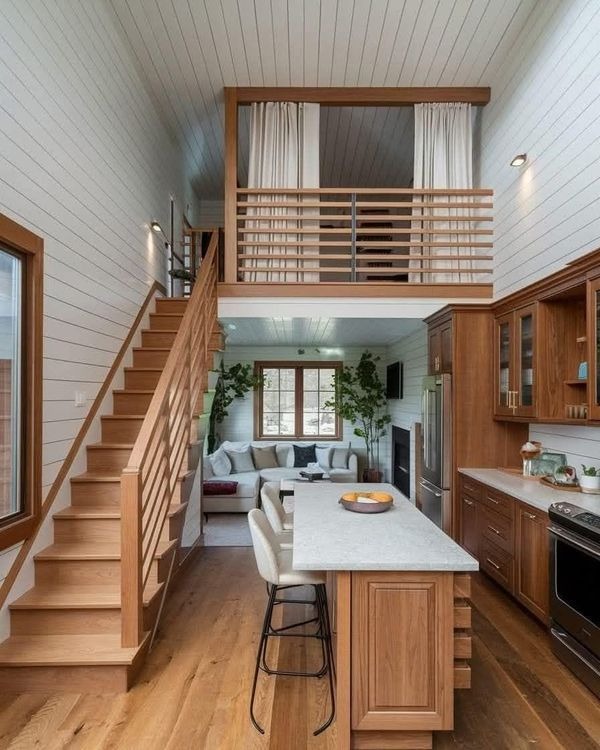
Mastering the design of legal secondary suites in Ontario and British Columbia is one of the most effective ways to improve affordability, increase property value, and build long-term financial stability. By combining durable materials with thoughtful layouts and leveraging the available incentives, you can create a suite that feels like a small boutique apartment and generates reliable income for years to come.