You can master a family-friendly kitchen in a Canadian townhouse by using a galley-with-island layout, choosing induction for both safety and air quality, and taking advantage of upcoming provincial appliance rebates to help cover the cost of efficient models, as supported by federal ENERGY STAR appliance research from Natural Resources Canada. The goal is to create a kitchen that supports family life in a narrow footprint while keeping the space open, bright, and easy to move through.
In most townhouses, the kitchen carries the weight of the entire main floor. It needs to support cooking, gathering, homework, and constant foot traffic without feeling cramped.
The Best Kitchen Layouts for Canadian Townhouses
Townhouses typically offer long, narrow floorplans, which means certain layouts work far better than others.
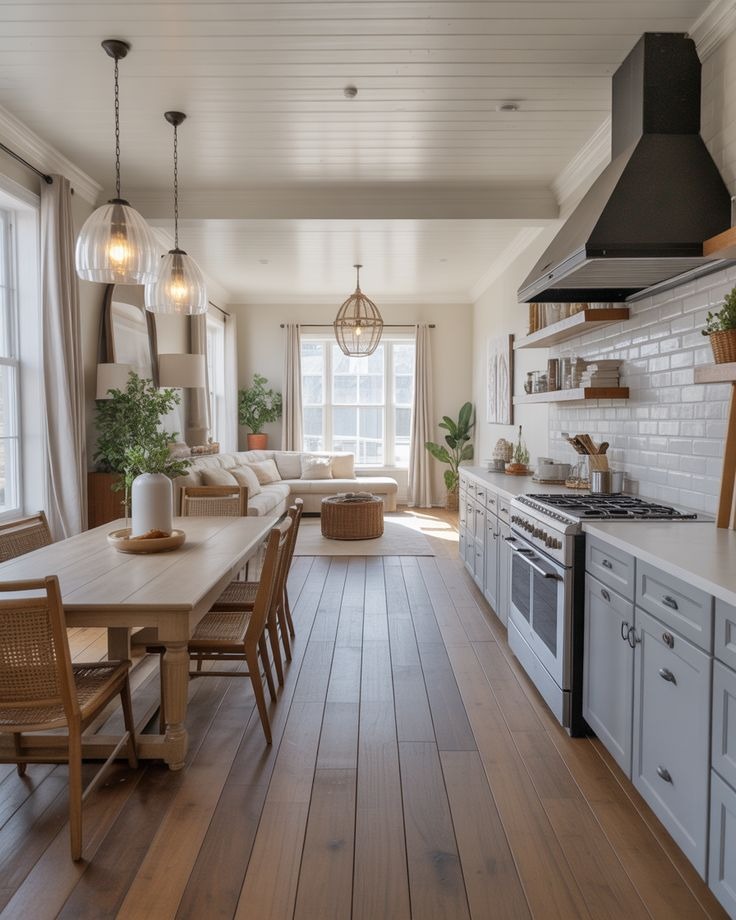
- Galley with Island: This is the most efficient setup. Removing the wall between the kitchen and dining room and adding a slim island keeps the classic galley workflow intact while improving sightlines.
- L-shape with Peninsula: Often found in older builds, this configuration creates a separate cooking zone but can feel tight if the peninsula blocks circulation.
- Single-Wall Layout: In very narrow townhomes, the kitchen may be pushed completely to one wall. A mobile island or a dining table that doubles as prep space helps add function without adding bulk.
Why Family-Friendly Design Matters in a Townhouse
In a townhouse, the kitchen usually acts as the hub of the home. Getting the layout right affects everything from safety to sanity.
- Traffic flow: A good layout prevents the kitchen from becoming a hallway. Simple choices, like fridge placement, can dramatically improve movement patterns, especially during busy mornings.
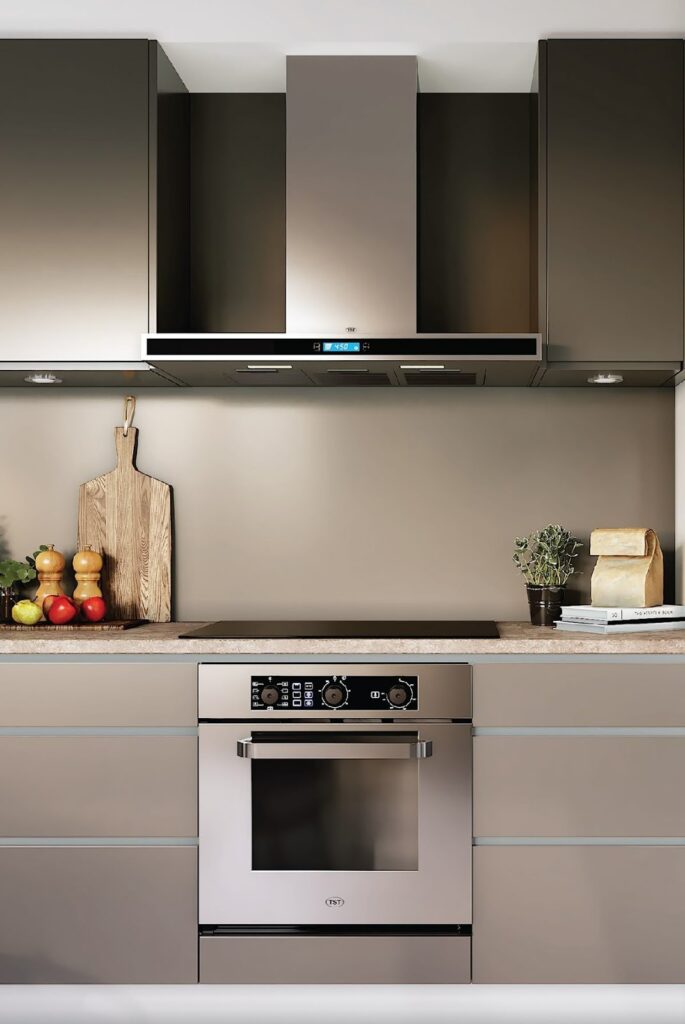
- Safety upgrades: Induction cooking is one of the best choices for homes with young kids, aligning with Universal Design principles developed at NC State University. It stays cool to the touch, performs well, and avoids indoor air pollutants.
- Faster resale: Young families make up most townhouse buyers. A kitchen with smart storage, wipeable surfaces, and thoughtful organization sells quickly.
How Townhouse Kitchens Differ From Detached Home Kitchens
Townhouses trade width for vertical height. Your strategy needs to adapt accordingly.
| Parameter | Detached Home Kitchen | Townhouse Kitchen (Recommended Strategy) |
| Storage | Walk-in Pantry. | Floor-to-Ceiling Millwork: You don’t have space for a pantry room. Use a “pantry wall” with pull-out drawers that goes up to 9 feet. |
| Lighting | Windows on 2-3 walls. | The “Light Layering” Hack: Townhouses usually only have windows at the ends. You must use under-cabinet lighting and 3000K pot lights to banish the “middle-of-the-house gloom.” |
| Island | Massive square island. | Narrow “Waterfall” Island: Aim for a 30-36 inch depth (vs. standard 48) to keep walkways clear. |
Choosing the Right Materials for a High-Traffic Family Kitchen
Materials in a townhouse kitchen need to be durable enough for heavy use while still feeling elevated.
- Countertops: Engineered quartz is ideal. It handles spills, stains, and crayons without the upkeep required for natural stone.
- Workstation sink: A 30-inch workstation sink adds prep space without expanding your footprint. Cutting boards and colanders slide along built-in ledges, creating flexible work areas.
- Flooring: Continuous flooring across the main level helps the home feel larger. Wide-plank engineered oak or high-quality vinyl plank both work well.
Common Mistakes to Avoid
- Using full-depth appliances: Standard fridges stick out too far in narrow kitchens, disrupting the flow. Counter-depth models align with cabinetry and keep pathways clear.
- Skipping a landing zone: Without a dedicated spot for keys, backpacks, and mail, your island becomes the default dumping ground. Even a small drawer stack or built-in nook prevents clutter.
- Relying on outdated grants: Federal programs that once covered appliance upgrades are closed. Focus instead on provincial rebates that are still active.
The Debate: Dining Table or Larger Island?
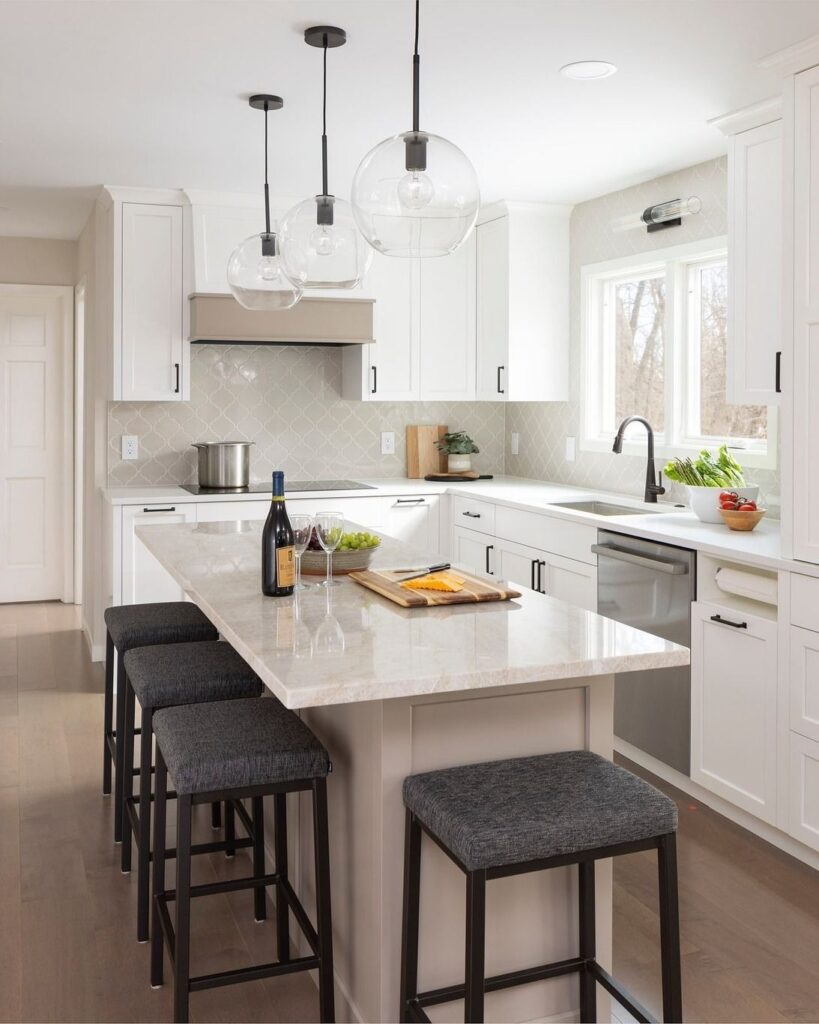
Townhouses rarely have enough width for both a full dining room and a substantial island. A growing trend is the banquet island, which blends the two.
A bench built onto the back of the island allows a dining table to sit closer than usual, saving valuable walkway space. It looks custom, adds storage below the seating, and provides generous seating in a tight footprint. For 2026, this has become the go-to solution for many new townhouse builds.
FAQ
1. How do I design a kitchen layout that keeps the space usable during busy family routines?
Focus on smooth traffic flow between the sink, stove, and fridge, a point echoed by homeowners sharing townhouse kitchen remodels on Reddit. In narrow townhouses, keeping these pathways clear makes the kitchen feel calmer and prevents the main floor from getting congested during morning and after-school rush hours.
2. What upgrades actually make the biggest difference in a small family kitchen?
Counter-depth appliances, a slim island, and floor-to-ceiling storage have the most impact. These choices instantly free up circulation space while giving you more functional storage than many larger kitchens.
3. How can I keep the kitchen looking clean when kids constantly move through the space?
Panel-ready appliances, wipeable surfaces, and a dedicated drop zone for bags and mail help maintain visual order. Even small organizational touches prevent the island and counters from becoming clutter hotspots.
4. Is an island better than a traditional dining table in a narrow townhouse layout?
For many families, yes. A banquet-style island with integrated seating creates a combined prep and dining zone, saves valuable walkway space, and comfortably accommodates weeknight meals, homework, and casual gatherings.
Conclusion
Mastering a family-friendly kitchen layout in a Canadian townhouse means designing for real life: tight footprints, busy routines, and constant movement. By pairing smart vertical storage with a slim island and energy-efficient appliances, you create a kitchen that punches far above its size. Provincial rebates can help cover the cost of key upgrades, leaving more room in the budget for quality finishes that make the space feel warm and functional for years to come.