You can optimize interior design for an energy-efficient new build in Canada by leaning on Passive House principles, choosing triple-pane architectural windows, and integrating smart energy systems that automate efficiency. Targeting a performance level roughly 20 percent better than code helps unlock major incentives, including a notable insurance premium refund through national programs, as outlined in the federal Canada Green Buildings Strategy.
For custom home builders, energy efficiency in 2026 is no longer a compromise. High-performance homes now pair quiet interiors, clean air, and incredible comfort with sleek contemporary design. The key is coordinating your interior choices with the home’s envelope so everything works together.
What Energy-Efficient Interior Design Means for a New Build
Energy-efficient interior design focuses on finishes, layouts, and technology that support a tight building envelope and reduce the home’s energy load without sacrificing style.
A modern high-performance build often includes:
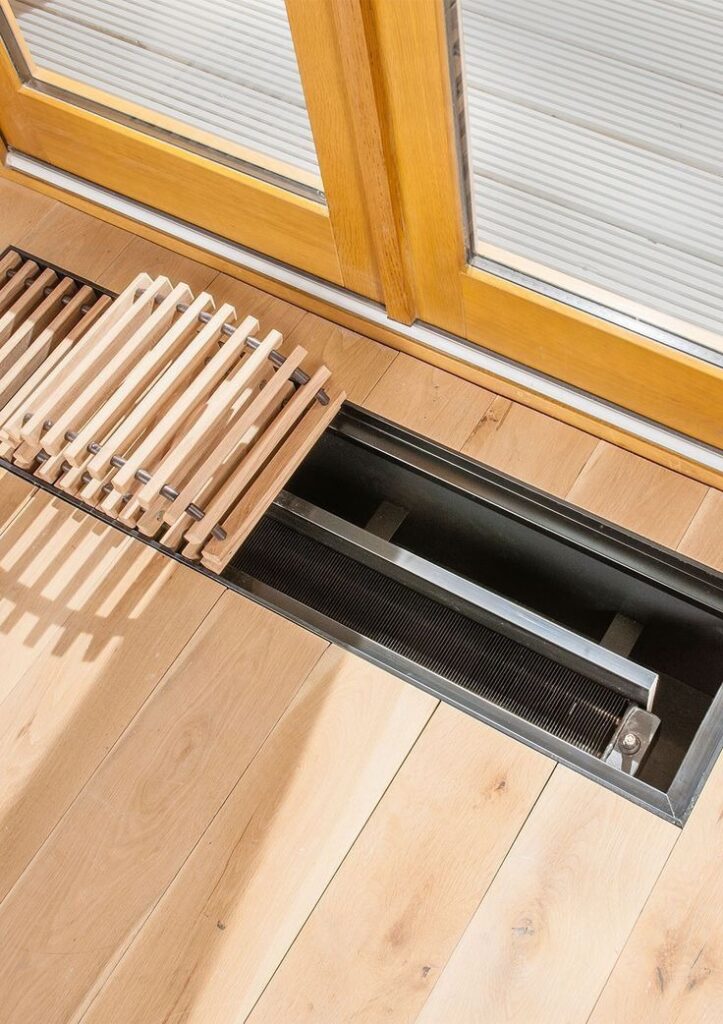
- Low-profile HVAC solutions: Radiant heating and cooling systems powered by heat pumps offer silent comfort without bulky vents.
- High-performance glazing: Triple-pane windows with fiberglass or wood-clad frames allow for expansive glass while maintaining thermal stability.
- Smart electrical panels: Advanced electrical panels let you monitor and manage circuits from your phone, optimizing energy use throughout the day.
This approach creates a home that feels luxurious while quietly reducing operating costs.
Why Energy-Focused Interior Design Pays Off
These choices do more than improve comfort. They significantly increase the long-term value of your new build.
- Insurance refunds: A new home that performs at least 20 percent better than standard earns access to insurance premium refunds through federal programs, putting thousands of dollars back into your project budget.
- Provincial incentives: Newly built homes that exceed efficiency targets often qualify for generous rebates through regional programs, which can help fund upgraded mechanical systems or advanced glazing.
- Better sound control: Triple-pane windows, airtight construction, and thick insulation create an incredibly quiet indoor environment, a benefit supported by passive design research from The Ohio State University. This “acoustic luxury” is a major selling point for high-end homes.
How High-Performance Design Compares to Code-Minimum Construction
Most builders default to the minimum standard required. A high-performance approach delivers dramatically different results.
| Parameter | Code-Minimum Build | High-Performance “Zack Taylor” Build |
| Windows | Double-pane vinyl (Cold spots, condensation). | Triple-pane Architectural: Warm to the touch, no condensation, massive grant eligibility. |
| Heating/Cooling | Forced air gas furnace (Drafty, loud). | Hydronic Radiant Floor + Heat Pump: Silent, consistent comfort, 300% more efficient. |
| Kitchen Tech | Gas Range (Indoor pollution, harder to clean). | Induction Cooktop: Safer, faster, better air quality, qualifies for future-proofing rebates. |
| Incentives | $0. | $15,000+ in rebates + 25% CMHC Refund. |
Choosing the Right Materials for an Energy-Efficient Build
Your material choices can either enhance or block the home’s performance.
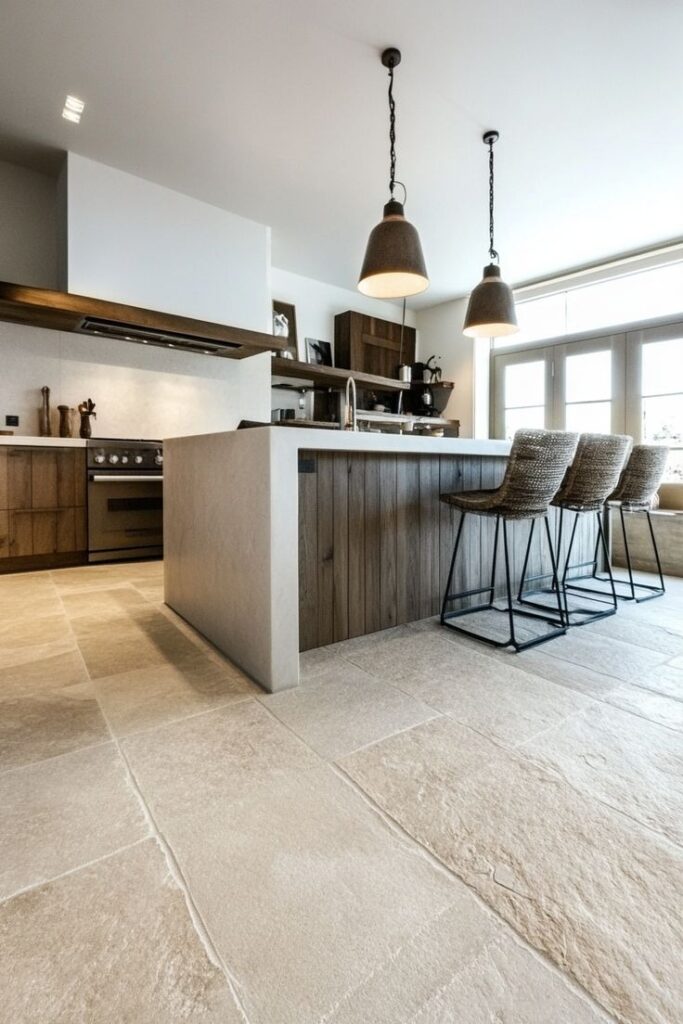
- Flooring for thermal mass: Concrete or stone floors in south-facing areas absorb sunlight during the day and release heat at night, providing free energy storage. Thick carpet in these zones eliminates that benefit.
- Layered lighting: A thoughtful LED plan with motion sensors in secondary spaces cuts down on wasted electricity while adding a polished, hotel-like feel.
- Smart window coverings: Automated cellular shades add insulation when closed and help regulate heat gain and loss throughout the year. They are a simple upgrade with a major impact on comfort.
Mistakes to Avoid When Designing for Efficiency
- Adding a gas fireplace: Venting a gas unit punches a hole in your airtight envelope. Electric vapor or bio-ethanol fireplaces offer ambiance without harming performance.
- Choosing high-carbon materials: Filling a low-carbon home with vinyl products undermines the intent. Natural materials such as engineered wood, wool carpet, and low-VOC paints complement an energy-efficient build, aligning with healthy-housing research from the World Health Organization.
- Skipping important rough-ins: Adding EV chargers or future heat pump circuits later is far more expensive. Rough them in during construction while walls are open.
Passive House or Net Zero: Which Is Better for Interior Design?
There is ongoing debate about whether high-end new builds should aim for Passive House standards or Net Zero status. From an interior design standpoint, Passive House principles often create the most comfortable living experience.
Passive House prioritizes airtightness, insulation, triple-pane windows, and heat-recovery ventilation, leading to warm surfaces, filtered air, and quiet interiors. Net Zero focuses more on adding solar panels to offset consumption. The most balanced approach is investing in a strong envelope first and adding renewable energy later if desired.
FAQ
1. How early should I bring my interior designer into energy-efficiency planning?
As early as possible. Interior decisions affect insulation levels, window placement, and mechanical runs, so coordinating before framing prevents costly redesigns and ensures every choice supports the home’s performance goals.
2. What should I look for when choosing windows for a high-performance home?
Focus on triple-pane systems with strong certification and tight seals. Tilt-and-turn styles are ideal for Canadian climates because they manage airflow well and pair cleanly with contemporary interiors.
3. Are thermal-mass floors like polished concrete actually comfortable in daily use?
They work beautifully with radiant heat and help stabilize indoor temperatures, but they can feel firm underfoot. Layering in area rugs provides warmth, sound absorption, and a softer feel without compromising performance.
4. How do I avoid design choices that accidentally reduce the home’s efficiency?
Watch for details like gas fireplaces, thick carpeting in sun-facing rooms, and last-minute electrical changes that disrupt the envelope. Choosing low-carbon materials and planning future mechanical needs during construction keeps performance on track, a point echoed by homeowners discussing efficient home-building strategies on Reddit.
Conclusion
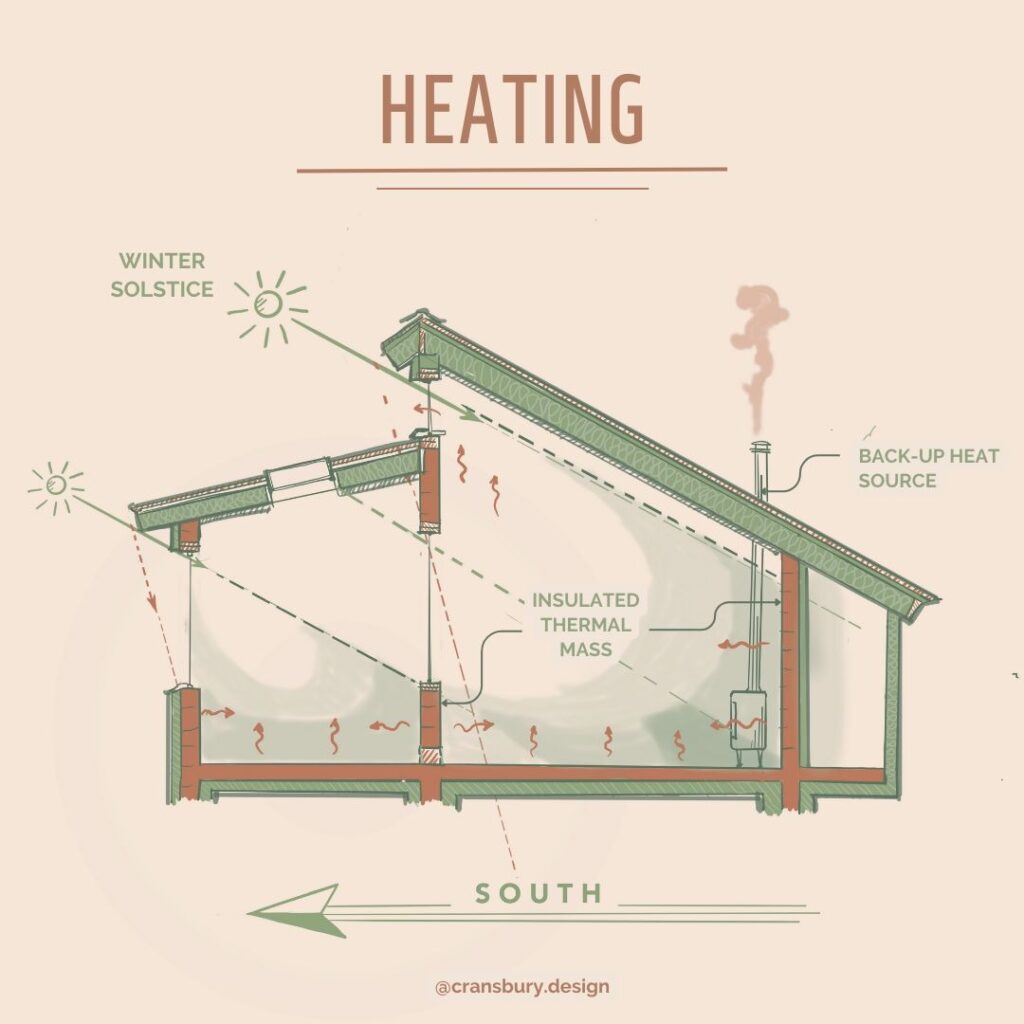
Passive solar house heating diagram showing winter sun angles
Optimizing interior design for an energy-efficient new build in Canada means pairing high-performance construction with smart, intentional design choices. When you target better-than-code performance, you not only lower energy bills but also unlock significant financial incentives that help fund luxury finishes. With the right planning, you can build a home that feels modern, quiet, and exceptionally comfortable for decades to come.