You can design an open-concept basement family room in Canada by creating distinct activity zones without adding walls, choosing flooring and heating that counter the cold slab, and using current provincial incentives to help pay for insulation and egress upgrades. The goal is to build a basement that feels as bright and comfortable as the main floor, while navigating the moisture, height, and code challenges that come with Canadian basements. These issues are well-explained in Natural Resources Canada’s overview of heat, air, and moisture flow in Canadian homes.
For many homeowners, the basement is the most underused square footage they have. With the right approach, it becomes a warm, flexible extension of the main living area instead of a dim storage space.
What an Open-Concept Basement Really Means in a Canadian Home
An open-concept basement is simply a floor plan that removes unnecessary partitions and lets the entire space function as one connected room. Families use the space for everything from movie nights to workouts, so the layout needs to feel open yet intentional.
A smart design approach often includes:
- Camouflaging mechanicals: Instead of boxing in ductwork with awkward soffits, incorporate it cleanly into a ceiling design or finish it in a way that feels purposeful.
- Improving natural light: Enlarging window wells to meet egress standards increases safety and lets significantly more light in, immediately changing the room’s character.
- Enhancing flow: Without walls blocking light or circulation, the basement becomes more flexible and adaptable over the years.
Why an Open Layout Matters for Comfort and Value
Opening up the basement has real financial and functional benefits.
- Higher return on investment: Finished basements add substantial value, and insulation improvements significantly increase comfort and reduce energy costs, as documented by research from North Dakota State University.
- Eligibility for rebates: While basement finishing itself isn’t rebate-eligible, upgrades like insulation, air sealing, and window replacement are. By centering your project on these improvements, you can reduce a big portion of the “behind the walls” cost and free up budget for finishes.
- Long-term flexibility: Without fixed partitions, the layout can evolve with your needs. Today it might be a family room; in the future, it could be converted into a suite if rough-ins are planned properly.
Open-Concept vs. Room-Based Basements
| Parameter | Traditional “Room-Based” Layout | Open-Concept Luxury Layout (Recommended) |
| Light Flow | Poor: Walls block the limited window light. | Maximum: Light travels from front to back unhindered. |
| HVAC Efficiency | Low: uneven heating; some rooms freeze, others roast. | High: Air circulates freely; easier to balance with a single heat pump head. |
| Cost | Higher framing and drywall costs. | Lower construction cost (fewer walls), but requires smarter design to define zones. |
| Resale Vibe | “Rental Unit” or “Storage.” | “Executive Lounge” or “Great Room.” |
Choosing the Right Materials for a Basement
Basements in Canada deal with moisture and cold, so materials need to be durable and warm.
- Flooring: Luxury Vinyl Plank made from stone plastic composite is ideal. It handles moisture, feels warm underfoot, and mimics natural wood convincingly.
- Ceiling: Resilient channels with 5/8-inch drywall provide height and sound separation. This small detail creates a quieter, more comfortable space.
- Insulation: Closed-cell spray foam on foundation walls controls moisture and adds high R-value insulation in one step, a point reinforced by the Building Performance Association’s research on basement moisture behavior.
Mistakes to Avoid When Designing a Basement
- Skipping the subfloor: Concrete pulls heat from your body. A dimpled membrane or radiant heating layer dramatically improves comfort.
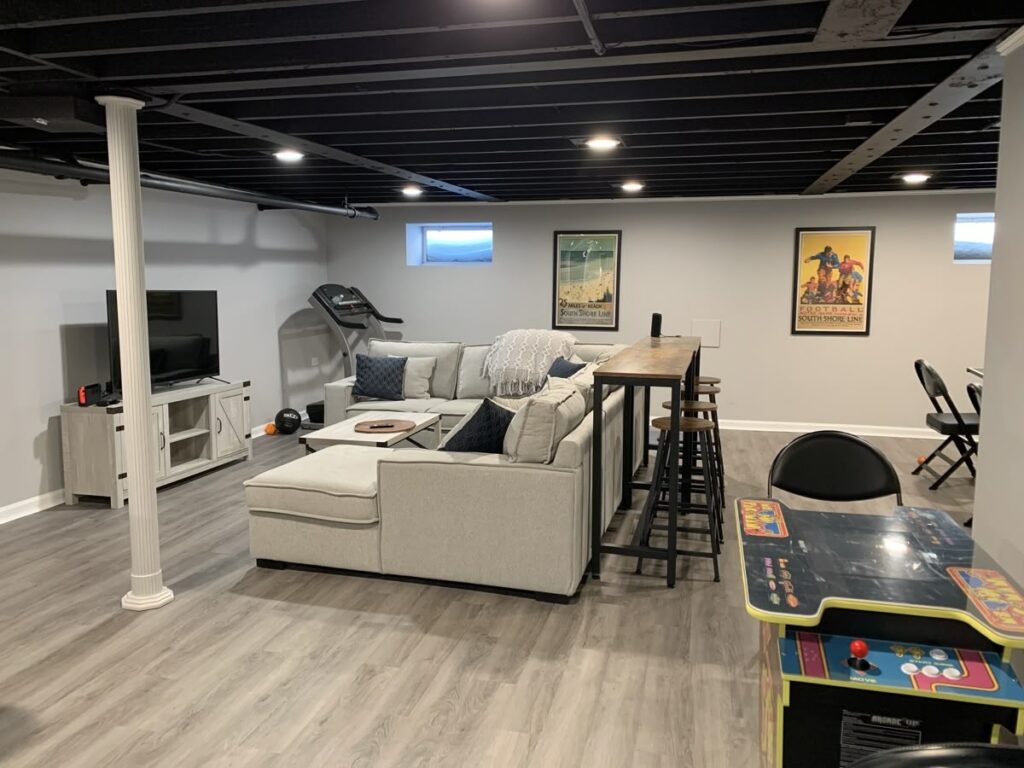
- Ignoring structural posts: Teleposts cannot be removed, but they can be wrapped in wood or integrated into a bar or shelving design so they feel intentional.
- Compromising ceiling height: Before running HVAC or plumbing, confirm that ceiling height stays above legal minimums. This affects resale and safety certification.
The “Man Cave” vs. “Convertible Suite” Question
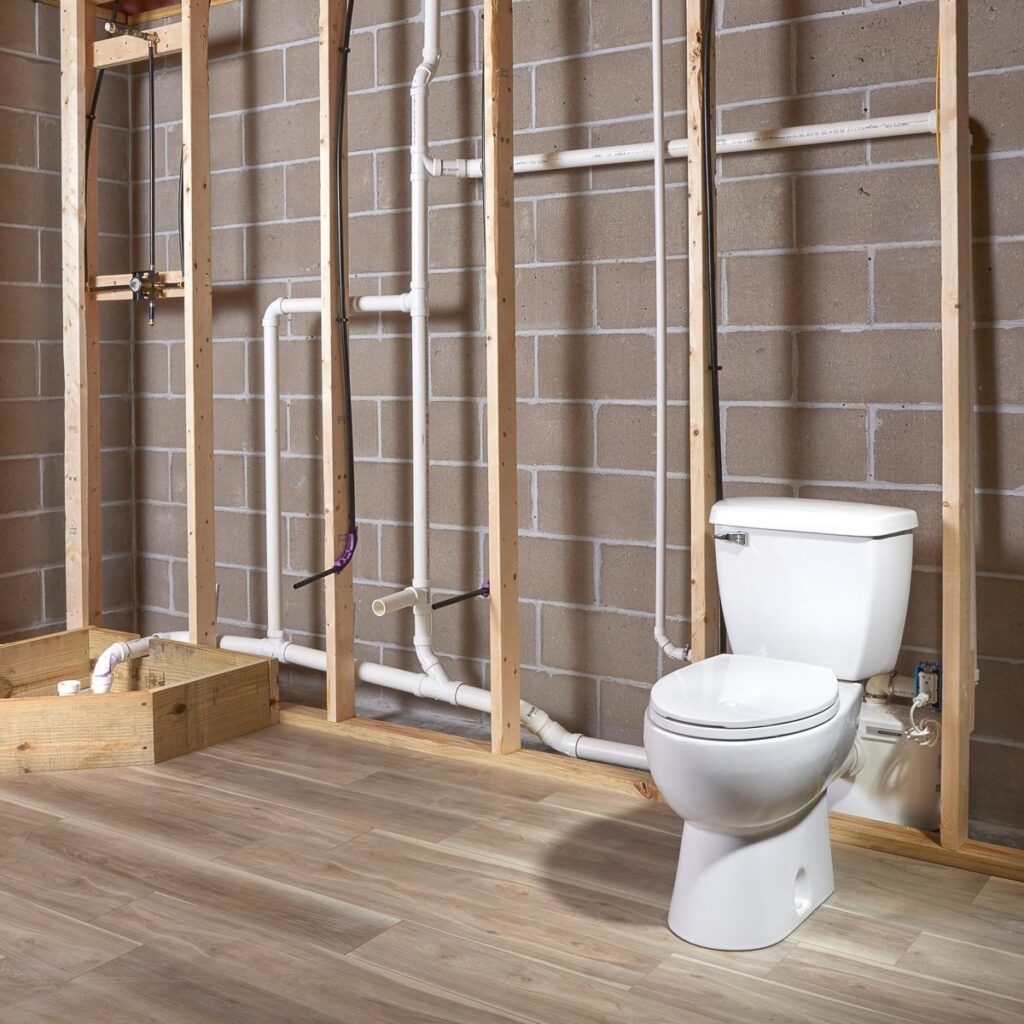
A major design trend for 2026 is building basements that can convert into legal suites later, even if you want a family room today. Adding rough-ins for a kitchenette or separate laundry inside a wall or bar cabinet gives you a future income option without changing the open feel right now.
This flexibility increases resale appeal because buyers see both lifestyle and rental potential.
FAQ
1. How do I make an open-concept basement feel warm and inviting instead of cold and echoey?
Start with acoustics and comfort. Soft furnishings, area rugs, and slatted wood accents reduce echo, while a proper subfloor and warm lighting prevent the basement from feeling colder than the rest of the home. Homeowners share similar considerations when finishing open-concept basements in threads like this one on Reddit.
2. What lighting works best when ceiling height is already limited?
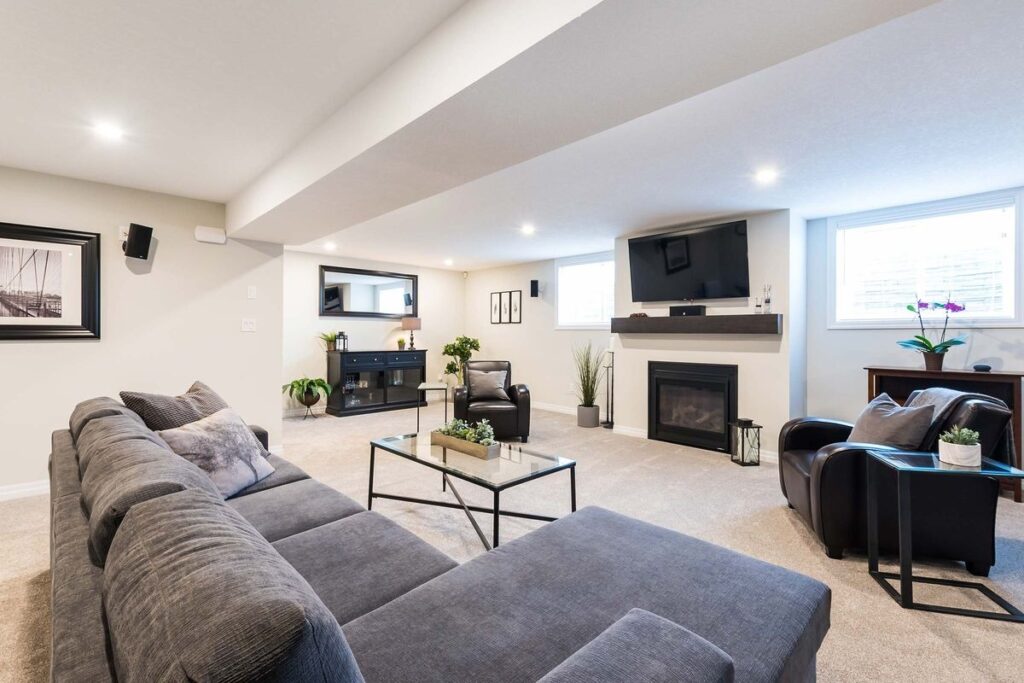
Low-profile LED wafer lights are ideal. They save precious headroom, spread light evenly across the space, and can shift to warmer tones that make the room feel cozy during winter evenings.
3. How can I design the basement for family use now while keeping the option open for a suite later?
Plan hidden rough-ins. Adding plumbing, electrical, and laundry hookups behind a wall or inside a built-in cabinet lets you convert the space into a legal suite down the road without giving up the open layout today.
4. Are exposed ceilings worth considering in a modern basement?
They can work well when height is tight, but they come with tradeoffs. Painting everything a uniform matte color creates a clean, intentional look, while understanding that soundproofing will be reduced helps you make an informed choice.
Conclusion
Designing an open-concept basement in a Canadian home is about transforming the coldest and darkest part of the house into its most versatile living area. With careful planning around insulation, heating, and zoning, the space can feel every bit as polished as the main floor. By aligning your project with current provincial energy programs, you can cover part of the upgrade costs while building a room that will serve your family for decades.